How to Groom a Horse: Tools, Step-by-Step Order and Seasonal Care
Grooming is the daily hands-on look at a horse from nose to tail. This page covers the kit, the order of work, hooves, bathing in a dry climate and what to watch for on the skin.
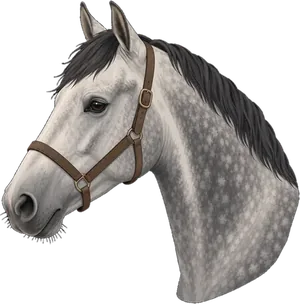
A good grooming session takes about twenty minutes, and most of what it gives the horse is not visible. The coat gets cleaner, yes, but the handler also runs a hand over every leg, feels the back and sees how the horse stands. People who groom daily tend to notice a swollen tendon sooner than someone who only looks at the horse from across the arena.
The grooming kit and what each tool does
A basic box needs only five tools, and each one does a separate job.
The curry comb is a rubber or plastic tool that fits in the palm and has short teeth or nubs. It is used in small circles to lift dirt, dried sweat and loose hair up from the skin to the surface of the coat. It is not a brush, and it never goes over the face, the lower legs or any bony part, where a firm circle is uncomfortable. A softer rubber mitt is the version for sensitive or thin-coated horses.
The stiff brush, sometimes called a dandy brush, has short, firm bristles. It flicks away what the curry brought up. Stroke with the lie of the hair and finish each stroke with a quick outward flick of the wrist, so the dust leaves the coat instead of drifting back into it.
The soft brush has long, fine bristles and comes after the stiff one. It is for the face, the legs below the knee and hock, and a final pass over the body for shine. It removes the last fine dust that the stiff brush leaves behind.
The mane and tail comb, or a wide-toothed brush, is only for hair. A hoof pick is a blunt metal or plastic hook with a stiff brush on the back, used to clear the sole and the grooves beside the frog. Add a sweat scraper, a sponge and two clean cloths, one for the eyes and nose and one for the dock, and the kit is complete.
How to groom a horse step by step
Tie the horse on a short, quick-release knot in a spot with level footing and a bit of shade. Stand to the side, not in front, and keep one hand on the horse as you move around it, so it always knows where you are. That touch also stops a startled horse from kicking when you come up behind.
For anyone asking how to groom a horse step by step, the order is simple and rarely changes. Start with the hooves, because a horse that has stood in a stall or paddock will carry dirt that gets kicked onto a clean coat otherwise. Then curry the whole body in small circles, beginning at the neck and working back over the shoulder, ribs, barrel and hindquarters. Use more pressure on the big muscle of the neck and hip, and less over the ribs and spine.
Next comes the stiff brush, worked over the same areas with short flick strokes. Follow with the soft brush, and use it on the head and the legs as well. Comb the mane and tail, wipe the eyes, nostrils and dock with a damp cloth and take a last look at the horse from a few steps back. Does it look even? Is one side of the coat different from the other? Those small differences are worth a second look.
How often should you groom a horse? Daily is the honest answer, and on busy days a ten-minute version still counts. Many handlers finish by pulling a clean towel over the back and wiping off the sweat marks left under the saddle and girth. The same routine works before a ride or on its own on a rest day.
Hooves: picking out the feet
Hooves are done first and again after the ride. To lift a front foot, stand beside the shoulder, face the tail, run a hand down the back of the leg and squeeze lightly at the fetlock. Most horses shift their weight and hand over the foot. For a hind foot, stand close to the hip, slide a hand down the leg and keep the foot low and near the body instead of hoisting it high, which makes many horses snatch it away.
Hold the pick with the point away from you and work from heel toward toe, clearing the sole and cleaning along both sides of the frog. Stay out of the soft frog itself and do not dig. What matters is what comes out: a foul smell, black soft material, a stone wedged in the groove, a loose or twisted shoe, or a crack that was not there yesterday. The hoof care page explains what thrush, abscesses and cracks look like and how often a farrier should visit.
Mane, tail and face
The mane and tail grow slowly and break easily, so treat them gently. Pick out shavings and burrs by hand first, then use a comb or brush from the bottom of a section upward, working a few inches at a time. Pulling a brush from root to tip tears out hair and leaves a thin, ragged tail within a year or two.
Stand to the side of the tail line when you work on it, never straight behind the horse. Hold the tail to one side and keep your body close to the hindquarter, so a kick would push you away instead of hitting you with full force. Wiping the dock with a damp cloth removes sweat and dust that cause itching, and a horse that rubs its tail on the fence is usually telling you something.
For the face, use the soft brush with light strokes, going around the eyes and over the jaw. A damp cloth clears the corners of the eyes and the nostrils. Take the halter off or loosen it for the cheek and behind the ears, and keep clippers and sprays away from a head-shy horse until it trusts the process.
Bathing, sweat and dry-lot dust in California
Most horses in a dry climate do not need frequent shampoo. Dust, not mud, is the problem on a dry lot: it settles in the coat, packs under the mane and builds up on the belly and legs. Currying and brushing, plus an occasional damp towel, lift most of it. A full bath every week or two is the ceiling for most horses, because shampoo strips the oils that make the coat shed water and keep the skin supple.
After a hard ride in warm weather, rinse the sweat off with lukewarm water, starting at the legs and moving up. Scrape the water off with a sweat scraper, working with the lie of the hair, then walk the horse in the sun until it is dry. Leaving a wet horse in a cold wind or a closed trailer is where chills and rubbed, itchy skin begin. In heat, a horse that is still blowing hard after a rinse needs rest and shade, and a vet call if it does not settle.
Dust also gets into eyes, nostrils and the sheath or udder area. A damp cloth with plain water is enough for the eyes and nose, and a horse with a runny eye that does not clear in a day should be seen. Dry-lot horses also benefit from clean bedding in the stall; the bedding page compares options for dust and moisture.
Checking the body for heat, swelling and cuts
Grooming is the best excuse to run a hand over every inch. Go slowly down each leg, feeling for heat, puffiness around a joint or tendon, and tender spots where the horse flinches or pulls away. Compare left with right; a horse is built almost symmetrically, so a lump on one side that is missing on the other is a signal.
Look for cuts, scrapes, rubs from tack, ticks, scabs and bald patches. Feel along the back and under the girth and saddle area for sore or tight muscle. A small clean scrape can be cleaned and watched, and the first aid kit page lists what to keep on hand. Deep wounds, anything near a joint, a hot swollen leg, lumps that grow, hair loss in patches or crusty skin go to the vet. Do not guess at creams or home remedies for skin problems.
How the horse reacts counts too. Ears pinned at the curry, a tail swish at the girth or a step away when you touch the back are messages, and the body language page helps with reading them. A horse that has always loved a brushing and suddenly dislikes it may be uncomfortable somewhere.
Clipping and the seasonal coat
Horses grow a thicker coat as the days shorten and shed it in spring. In California the change is milder than in colder states, but a hairy horse in regular work still sweats heavily in autumn and dries slowly. Clipping is for horses that work enough to sweat under a winter coat. Many horses on pasture or in light work never need it.
Clip a clean, dry horse; dirt dulls the blades and tugs the hair. Draw the blades against the lie of the coat in long, overlapping strokes with the skin held flat, and stop to feel the blade now and then, since hot blades burn. Common patterns include the trace clip, which takes hair from the belly, the lower neck and the front of the chest, and the full body clip, which takes it all and calls for a rug in cold weather. Legs and head are often left unclipped, so check them for rubs and sweat marks.
Shedding season is mostly a matter of regular currying. A shedding blade or a rubber curry loosens a lot of hair in a short time, so a few days of consistent work saves a coat full of dander and hair. Sunburn, rubbed patches and sweat marks show clearly on a clipped horse, so check the skin each day.
Grooming questions
How often should you groom a horse?
Before every ride is the usual rule, and a quick pass on rest days is still worth the five minutes. A horse that lives out in a dry paddock collects dust daily, so a short curry and brush session keeps the coat and skin in good shape. Hooves are picked every day.
Do you need to groom a horse that is not ridden?
Yes. A horse at pasture still gets sweaty, dusty and itchy, and the hands-on check is the easiest way to catch a cut, a lump or a loose shoe. Even ten minutes a few times a week does the job.
Can you brush a horse's mane and tail every day?
Daily brushing pulls out hair and thins the tail over time. Work through knots with fingers or a detangler first, comb from the ends upward and save a full comb-through for when it is needed, such as before a show or after a bath.
How often can a horse be bathed?
A full shampoo bath every week or two is plenty for most horses, since shampoo strips natural oils from the coat. Sweaty areas can be rinsed with plain water more often, and the horse should be scraped and walked dry rather than left wet in the wind.
What order do you use the grooming tools in?
Hoof pick first, then the curry to loosen dirt, the stiff brush to flick it away, the soft brush for a finish, the mane comb and last a cloth for the face. Going from rough to soft keeps loosened dust from landing on a clean coat.
What should a groomer do about a lump, bald patch or scab?
Note where it is, how big it is and whether it is warm or sore, and call the vet. Skin problems, lumps and hair loss have many causes, and guessing at a cream or a home fix can make things worse.