Horse Body Language: How to Read Ears, Eyes, Tail and Posture Safely
A horse says most of what it feels with its body long before it kicks, bolts or bites. This page covers the main signals, how they combine and what to check before handling or mounting.
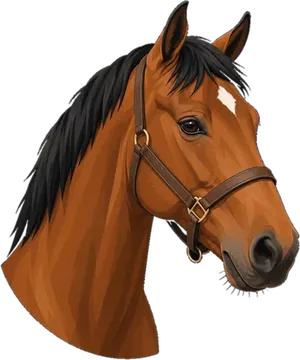
A horse does not have words, so it uses everything else. Ears, eyes, nostrils, lips, neck, tail and the way weight sits over the feet all carry meaning. Horse body language is the working vocabulary of anyone who feeds, handles or rides, and it is mostly learned by watching the same animals over many weeks.
Take a horse standing in the cross-ties after a ride. One ear drifts back toward the rider cleaning its legs, the other points at a noise by the door, and a hind foot rests on the toe. That is a horse paying attention to two things at once and still calm. Read as one snapshot, any single sign can mislead. Read together, they usually tell a clear story.
Ears: the quickest signal
Ears are the fastest-moving part of a horse and the easiest place to start. They follow attention, and the same ear signals show up in every breed. Both ears pricked forward means the horse is looking at something ahead, and a horse with its ears locked on a distant object, nostrils wide and head high is deciding whether to be afraid. One ear forward and one back usually means a divided mind, which is common in a ridden horse listening to its rider while watching the trail.
Ears turned out to the sides with a soft, loose feel are the sign of a relaxed or sleepy horse. Ears that flick back and forth are checking sounds from behind and around. Ears pinned flat against the neck are a warning, and the horse means it. Ears held stiffly back, without the flattened look, can show irritation or concentration, which is where context matters.
Ears only help when you can see them. Fly masks with ear covers and heavy bridle fittings hide the best signal a horse has, so read the rest of the body when they are on.
Eyes and face
The eyes carry mood. A soft eye has a smooth lid and a rounded, relaxed shape, and the area above the eye is smooth too. A hard or worried eye shows tension in the muscle above it, sometimes with a small triangle of wrinkle, and the white may show at the corner. Wide eyes with a lot of white visible, together with a high head and a tight face, mean fear, and a frightened horse can bolt or lash out before anyone has had time to react.
Nostrils and lips add detail. Flared nostrils with a tight mouth point to alarm or effort. Pinched, tight nostrils and a hard line along the muzzle point to pain or irritation. A loose, drooping lower lip is a sign of rest or sedation. A horse grinding its teeth is often in discomfort, and one that rubs its lips on the stall rail may be bored, itchy or beginning to develop a stable habit.
Mouth signs also show up under saddle. A horse that gapes, tosses its head or fights the bit may be reacting to a sore mouth rather than being stubborn, and the horse dental care page covers the signs that point to a tooth problem.
Tail and legs
Horses use the tail for flies first, and that explains most of what you see. A relaxed tail hangs and sways with the horse’s movement. A tail that flicks at the flanks on a warm day, with ears relaxed, is a horse dealing with insects. So what does a horse’s tail swishing mean when there are no flies? Usually irritation, impatience or discomfort, and the sharper and faster the swish, the stronger the message.
A tail clamped hard against the hindquarters signals fear, tension or pain. A tail held up and out, often with a lifted neck and floating trot, is a horse that is excited or showing off. Wringing the tail while being ridden, especially with pinned ears, can point to pain from the saddle, the girth or the back, or to a rider’s heavy hands.
A swishing tail rarely means one thing on its own, and the answer depends on the legs and the ears. Legs speak too. Pawing with a front foot can be impatience, as when a horse waits for feed, but repeated, urgent pawing combined with looking at the flank may be a sign of colic, and the first aid kit page lists the signs to watch for. A raised hind leg, with the ears back and the tail tight, is the warning before a kick. A horse resting one hind foot on its toe, with a soft eye, is at ease. A horse that stands with a foot always pointed out, or that shifts weight constantly between front feet, may have sore hooves, and the farrier or vet should see it. The horse hoof care page lists the common causes.
Whole-body posture
Posture ties the small signs of horse body language into one message. A relaxed horse carries its head about level with the withers, with the neck soft, the back loose and the weight even over four feet. A head carried high and rigid, with the back hollowed and the nostrils wide, is a horse on alert, ready to spin or run.
An aggressive horse lowers its head, stretches the neck forward, pins its ears and may swing its hindquarters toward the target. That is a threat posture, and it can come with a bite or a kick. A fearful horse tucks its tail, tenses the muscles along its neck and may press its body against a wall or fence as if looking for a way out.
Horses sometimes do the opposite of what their worry would suggest. Some shut down when stressed. They stand still, eyes dull, head low and slow to respond, which looks like calm but isn’t. A horse that stops reacting to things it would usually notice deserves a closer look rather than praise for its good manners.
Herd signals and greetings
Horses spend their lives in groups, and most of their signaling is for each other. A confident horse moving another off a pile of hay uses a flattened ear, a stretched neck and a quick step forward. The other horse leaves, and the exchange often ends there without any contact. That is how a herd sorts out space without fighting, and it works because the signals are clear and quickly respected.
Greetings are quiet. Two horses meeting often stretch their noses together and breathe in each other’s breath, then squeal, stamp a foot or strike out with a front leg before settling. Mutual grooming, with two horses scratching each other’s withers with their teeth, builds bonds and is a sign of trust. A horse that stands with its head resting on another’s back is at ease in its company.
This matters for people because horses carry the same habits into human contact. A horse that pins its ears at a neighbor over the fence may do the same to a handler walking past with a bucket. New introductions are best made across a fence first.
Reading stress and pain
Stress and pain show up as a change from the horse’s normal, so knowing what normal looks like matters more than any list. A horse that is usually friendly and starts pinning its ears at the girth, or one that is quiet to mount and suddenly will not stand, is telling you something. A tight, drawn face, a fixed stare, ears held back without anger, slow movement or a flat, dull look can all mean pain.
Common signs of discomfort include teeth grinding, a swishing tail, an arched or stiff back, reluctance to turn one way, sweating without work, pawing, repeated lying down and getting up, rolling and looking at the belly. Weight shifted off one leg or a head nodding on a trot may point to lameness. None of this is a diagnosis. Colic, sore feet, a poorly fitted saddle and sore teeth overlap in how they look.
Stress can be less dramatic. A horse that bolts its feed, paces the fence, weaves, cribs or chews wood is often stressed by boredom, limited turnout or an unsettled herd. Repeated signs of discomfort, or any sign that lasts more than a day, justify a call to the vet. A horse down and rolling hard, sweating and refusing food needs a vet right away.
Reading a horse before handling or mounting
The best moment to read a horse is before touching it, and good horse body language reading starts at the gate. Walk up to the paddock gate or the stall door and look. Where are the ears? Is the horse eating, dozing, watching you or turned away? A horse that steps toward you with soft eyes and relaxed ears is easy. A horse that swings its hindquarters toward the door, with the tail clamped, is telling you to wait.
Approach from the front and slightly to the side, toward the shoulder, speaking quietly so the horse knows where you are. Stay out of the kick zone directly behind, and when you must pass behind, either keep well out of reach or stay close enough that a kick would have no room to build force. Never duck under the neck or the lead rope, and never wrap a rope around your hand.
Before mounting, run through the checklist again. Is the horse standing square, or shifting, tight and tossing its head? Does it flinch when the girth is tightened or the saddle pad settles? A horse that pins its ears and swings its head toward the girth may be signaling a sore back or a tight cinch, so loosen it and tighten gradually. A horse that cannot stand still at the mounting block deserves a pause, a short walk in hand and a second look at the tack before anyone is in the saddle.
On the trail the same rules hold. A horse at a trailhead gate, with its ears locked on the brush ahead, head up and breathing hard, is about to spook. Turning it to face the thing, letting it look and giving it a moment to settle is far safer than forcing it forward. The trail riding guide covers what to know before heading out, and the riding page is the place to start for riders new to the trail.
Body language questions
What does it mean when a horse pins its ears back?
Ears flat against the neck are a warning. The horse is angry, afraid or defending something such as its feed, and a bite or kick can follow quickly. Give the horse space, avoid reaching toward its head and work out what set it off before going closer.
Why does a horse swish its tail?
Most often it is flies. A tail that swishes hard and fast with pinned ears, or one that is clamped down tight, points to irritation, tension or discomfort. Look at the whole horse and the surroundings, and call the vet if the swishing comes with other signs of pain.
How can I tell if a horse is relaxed?
A relaxed horse carries its head at about withers height, with soft eyes, ears turned loosely to the sides, a loose lower lip, a quiet tail and one hind foot resting on its toe. Breathing is slow and even, and the horse may sigh, lick and chew or yawn.
What does a horse licking and chewing mean?
Licking and chewing is often seen after a horse has taken in a lesson or let go of tension, and many trainers read it as release. It is not proof of a calm horse on its own, so check it against the eyes, the muscles and the horse's breathing.
Do horses show pain through behavior?
Yes. Pinned ears, a tight face, grinding teeth, reluctance to move, pawing, looking at the flank, rolling or a sudden change in manners can all signal pain. Horses hide discomfort by instinct, so a vet should check any pain sign that lasts more than a day.
Is it safe to approach a horse that is pinning its ears?
It is better not to. Ask a handler to calm the horse, or wait until the ears soften. Where you must go in, approach from the shoulder, speak in a low voice, keep a hand on the horse once you are close and stay out of the kick zone behind.