Horse Dental Care: How Teeth Wear, What Floating Does, When to Check
A horse's teeth grow for most of its life and wear unevenly, which is why a yearly mouth check is routine. This page covers the signs of trouble, what the dentist does and what age changes.
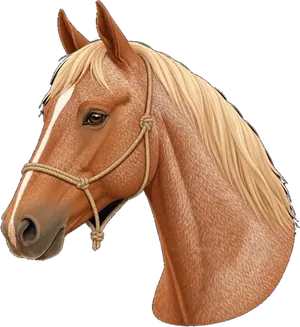
Teeth are easy to forget because the horse hides problems until they are well along. A horse in pain from a sharp tooth will keep eating, and a rider who thinks a horse is being stubborn may be asking it to take a bit against a sore cheek. Horse dental care is a short appointment once a year, and it is one of the better investments an owner makes.
How horse teeth grow and wear
A horse’s cheek teeth are built to last a lifetime of grinding grass. They are tall, with much of the crown below the gum line, and they erupt slowly, roughly two to three millimeters a year, as the chewing surface wears away. A mature horse has between 36 and 44 teeth, depending on whether it has wolf teeth and whether it is a stallion or gelding with canines, which mares usually lack.
The upper jaw is wider than the lower one, and horses chew in a side-to-side, circular motion. That wears the teeth unevenly. The outer edge of the upper cheek teeth and the inner edge of the lower ones stay sharp and, left alone, form points of enamel that cut into the cheek or the tongue. Other kinds of uneven wear produce hooks at the front or back of the arcade, ramps, waves and steps, each of which can interfere with chewing or with the bit.
None of this is a fault. It is how a grinding tooth wears when the horse eats from a trough or a bucket instead of grazing for sixteen hours a day, and why a stalled or dry-lot horse often needs more attention than a pastured one.
Signs a horse needs a mouth check
Some signs come from the stable, some from the saddle. Dropping partly chewed feed from the mouth, called quidding, is the classic one. Others include slow eating, leaving hay stems, balls of chewed hay left in the stall, whole grain in the manure, long fibers in the manure and a thin horse that eats well.
Under saddle, the signs include throwing the head, resisting the bit, leaning on one rein, refusing to bend one way, tilting the head or tongue-lolling. Horses are good at hiding pain, and a change in behavior is often the only message. A foul breath, a swelling on the jaw or cheek, or a one-sided nasal discharge that smells bad suggests a tooth root problem and needs the vet soon.
Not every sign is dental. Colic, ulcers, back pain, ill-fitting tack and bad hooves produce overlapping behavior, so a mouth exam is one step in a list. The first aid kit page covers the weight and vital-sign baseline that helps a vet narrow the question.
What happens during a dental visit
The visit starts with a history and a look at the horse as a whole: weight, condition, how it moves feed around the mouth. The vet then gives a sedative, which relaxes the horse and lowers its head so that the mouth can be examined properly. A full-mouth speculum holds the jaws open, and a light and a mirror, or a small camera, show the cheek teeth and the back of the mouth, where most problems sit.
Floating follows. The vet or dentist files the sharp points with hand rasps or power tools, aiming to remove only what is needed. Overdone floating, which takes too much surface or reduces the grinding table, is a recognized problem, and modern practice favors conservative work. Wolf teeth, loose caps and fractured or infected teeth may be removed or treated during the same visit, with local anesthesia and sedation. The horse is monitored until the sedative wears off, and it is usually fed again within a few hours.
Rules about who may perform dental work, and especially who may give sedatives or extract a tooth, vary from state to state. The simple course is to ask the vet who does the mouth work on the horses they treat, and to find out what training that person has.
Dental care by age
Foals and yearlings are checked for the shape of the jaw and for bite faults such as an overbite or an underbite, which are easier to manage when found early. At two to five years, a young horse is shedding its twenty-four baby teeth and cutting permanent ones, so caps can trap food or catch the bit and a check twice a year is common. This is also the age when wolf teeth are usually removed, before a horse is started under saddle.
Adult horses between six and fifteen are on the yearly routine. By the late teens and twenties, teeth are worn to the root and may loosen or fall out, leaving gaps and uneven wear on the teeth that remain. A senior horse with poor teeth often loses weight, and the usual answer is to change its feed, with soaked cubes or a senior mix replacing long-stemmed hay. A scale or a weight tape used every month shows trouble before a rib count does.
Estimating age from teeth is a matter of patterns of wear, eruption and shape, and it is only accurate to within a year or two in the early years and much looser later. A buyer relying on a mouth alone to confirm a horse’s age is working with a rough guide at best.
A schedule that fits the rest of the year
The simplest approach is to pair the dental check with another appointment. Many owners do it in the fall or winter, when work slows down, or alongside the spring vaccines so the vet visits once instead of twice. The vaccine schedule fits with this, and the guide to hoof care covers the farrier visits that run on a six to eight week cycle alongside it.
Keep a note of the date, what was done and what the vet advised, in the same folder as the vaccine records. If the horse is a candidate for sale, a record of regular dental care shows an owner who looks after the basics. The guide to horse care for California owners puts all of these in a calendar.
Dental care questions
How often should a horse's teeth be checked?
Once a year is the usual rule for adult horses. Horses between two and five years old often need a check every six months because baby teeth are being replaced, and old horses or those with known problems may need to be seen more often. The vet sets the interval.
What does floating teeth mean?
Floating is filing down the sharp enamel points that form on the cheek teeth as a horse chews. The vet or dentist uses hand rasps or power tools, usually with the horse sedated and a frame holding the mouth open, so the work is done safely and the whole mouth can be seen.
What are the signs of a dental problem in a horse?
Dropping feed from the mouth, chewing slowly or tilting the head, undigested whole grain or long fibers in manure, weight loss, bad breath, a one-sided nasal discharge with a smell, swelling of the face or jaw, and head tossing, bit resistance or refusing to bend under saddle can all point to the mouth.
Do horses lose their baby teeth?
Yes. A young horse has twenty-four baby teeth, and they are shed between about two and a half and five years of age as the permanent teeth erupt. The loose shells, called caps, can cause pain, and a vet checks them during the yearly visits in those years.
What are wolf teeth?
Wolf teeth are small extra premolars that appear in front of the cheek teeth in many young horses. They can sit where a bit rests and cause discomfort, so many vets remove them before a horse starts training. Not every horse has them.
Can an older horse still eat hay?
Many can, but as teeth wear down or fall out, hay stems get harder to chew. The vet may suggest soaked hay cubes, a complete senior feed or a mash, and a check of body weight every month to catch loss early.